One of the most important conversations you participate in on a daily basis is the one you never hear out loud; it’s one that exists between your gut and brain every second of the day, 365 days a year. While these two systems used to be thought of as separate entities with their own set of functions, we now know they depend on each other and communicate regularly to operate optimally and help us feel our best.
The Gut-Brain Relationship: Why It Matters
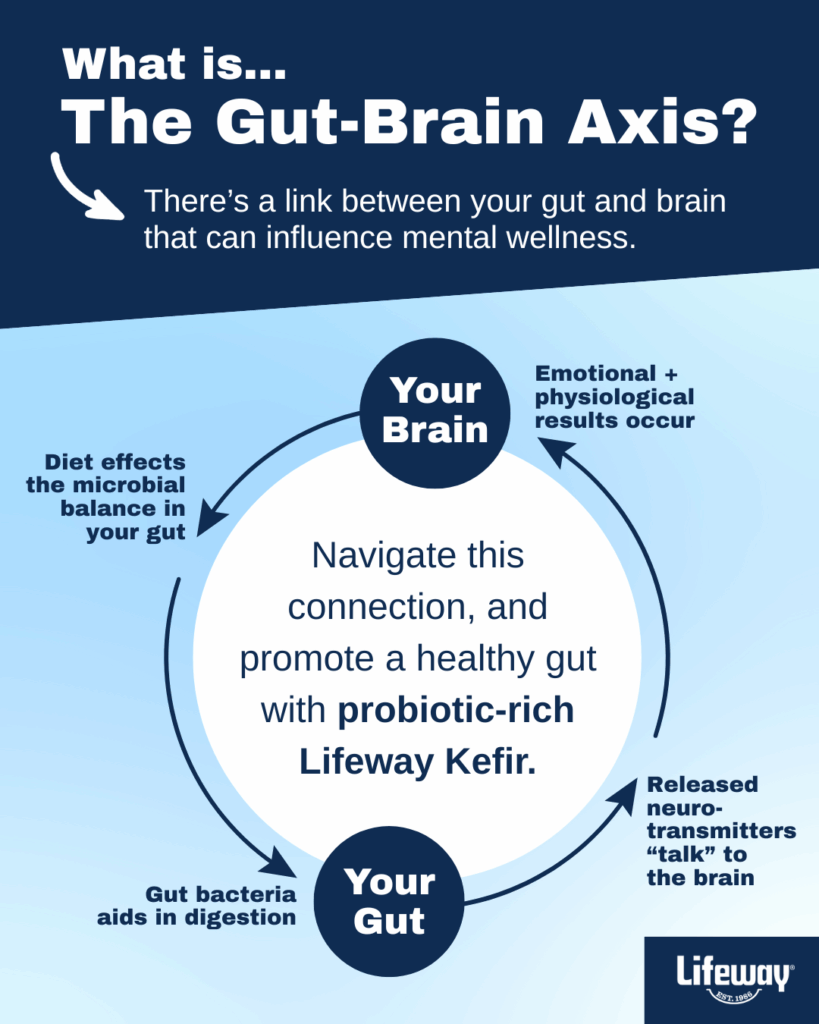
Gut microbes found throughout the microbiome communicate with cells in our body to help produce certain neurotransmitters. These chemical messengers, which include serotonin and GABA, are then sent to our brain, and are associated with optimal mental health and emotions. In the reverse, our brain can also communicate both positive and negative emotions that our gut senses and responds to.
If you’ve ever felt your stomach upset due to a stressful time of life, butterflies before an important event or new experience, or dealt with an unhappy tummy during erratic traveling, it’s not your imagination. Those are just a few examples of how times of stress, uncertainty, or changes in our daily rhythm can create a disruption in our gut’s natural patterns.
Our guts also react when things are going well in life or may change in pattern whenever we experience positive emotions. For many individuals, ongoing gut issues seem to dissipate when stress resolves or they are doing well overall. When our brains react, our guts react, and vice versa. This is why the gut-brain relationship matters and how nurturing that relationship impacts your mental and physical health.
How Feeding Your Gut with the Right Foods Supports Your Mental Health
The great news is, while we can’t avoid life’s stresses and disruptions, we can make choices that have a positive impact on our brain and gut health—and it starts with what we put on our plates each day.
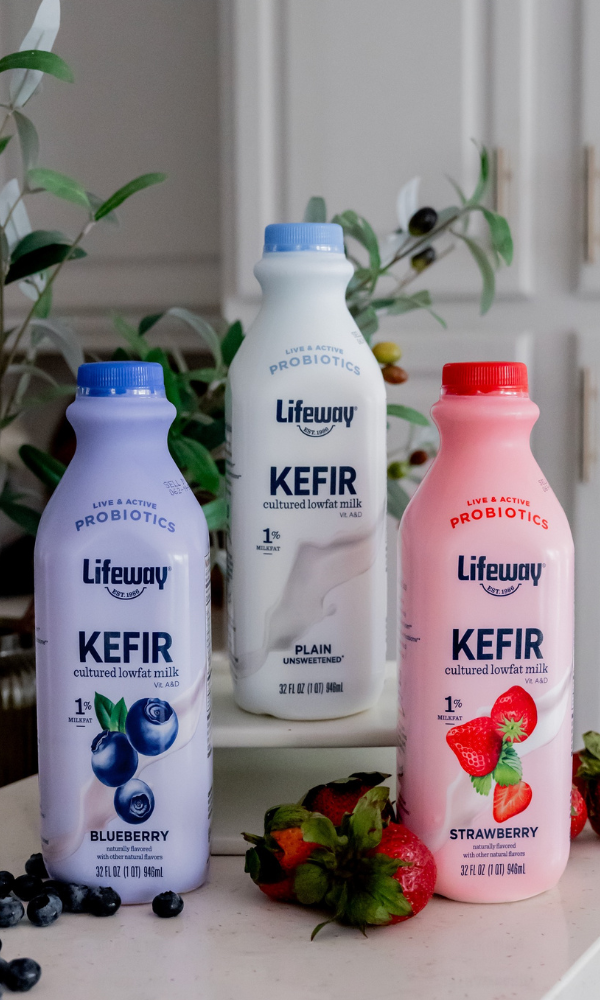
Nurturing our gut health with optimal foods is critical for better mental health and positive emotions. When we feed our gut bacteria the right foods, such as fermented foods filled with live probiotics, plus prebiotic fiber, and natural, whole foods that support a healthy mood, our microbiome has the fuel it needs to produce certain neurotransmitters, including one of the most well-known ones associated with a calm, happy mood: serotonin.
This constant communication that takes place every day is one you may never hear, but it’s one you experience whether you realize it or not. This two-way communication, known as the gut–brain axis, has biochemical messengers affecting multiple systems, including the nervous system, hormones, and the immune system.
The Gut-Brain Axis: How it Works and Why it Matters
Time Magazine recently published an important article on this topic, with several experts summarizing the important relationship between the brain and gut.
“The communication lines between the gut microbiome and the brain seem to involve products of intestinal bacteria, including neurotransmitters,” says Dr. Roy Ziegelstein, a cardiologist and researcher on depression and cardiovascular disease at Johns Hopkins. “In addition, changes in fats or lipids in the blood and changes in chemicals that cause inflammation may be related to the gut microbiome and ‘talk’ to the brain.” (1)
As the article explains, the communication between your gut and brain occurs through several key pathways, including the vagus nerve that acts as the direct line between the two systems. Think of this like your internal highway where cars travel throughout. In order to prevent chaos, it’s important to take steps to keep things running as smoothly as possible. To do that, it’s vital to nourish your gut and brain with proper foods, sleep, movement, and stress management. This also helps keep your immune system in optimal shape since inflammation that occurs due to stress or poor gut health can impact the immune system, and therefore the gut-brain axis.
“Microbes help decide which programs get aired—a soothing channel when things are balanced, or stress-heavy broadcasts when they’re not,” says Catherine Ngo, a gastroenterologist at Hoag Digestive Health Institute in California. (1)
As referenced in the Time article, studies show that 90% of serotonin, as well as other key neurotransmitters associated with a positive mood, including GABA, are primarily produced in the gut—not the brain. (2)
How to Care for Your Gut and Brain Health with Daily Choices
The great news is, your daily choices have a strong influence over your mental health, and it’s never too late to start. Studies continue to show that when we give our guts the fuel they need with fermented foods, fiber, water, and natural, whole foods, they are able to work at their best. Proper sleep health, stress management, and daily movement help propel the benefits even further.
“The foods you eat feed your gut microbes, shaping their composition and the metabolites they produce,” says Ngo. “Diet is one of the biggest influencers of your gut microbiome.” (1)
Research is constantly emerging to show how fermented foods play a key role in optimizing the gut microbiome and brain health. In fact, one recent study found kefir’s effects on the microbiome has positive outcomes for cognitive function and neuroprotective benefits to help slow the progression of Alzheimer’s disease.
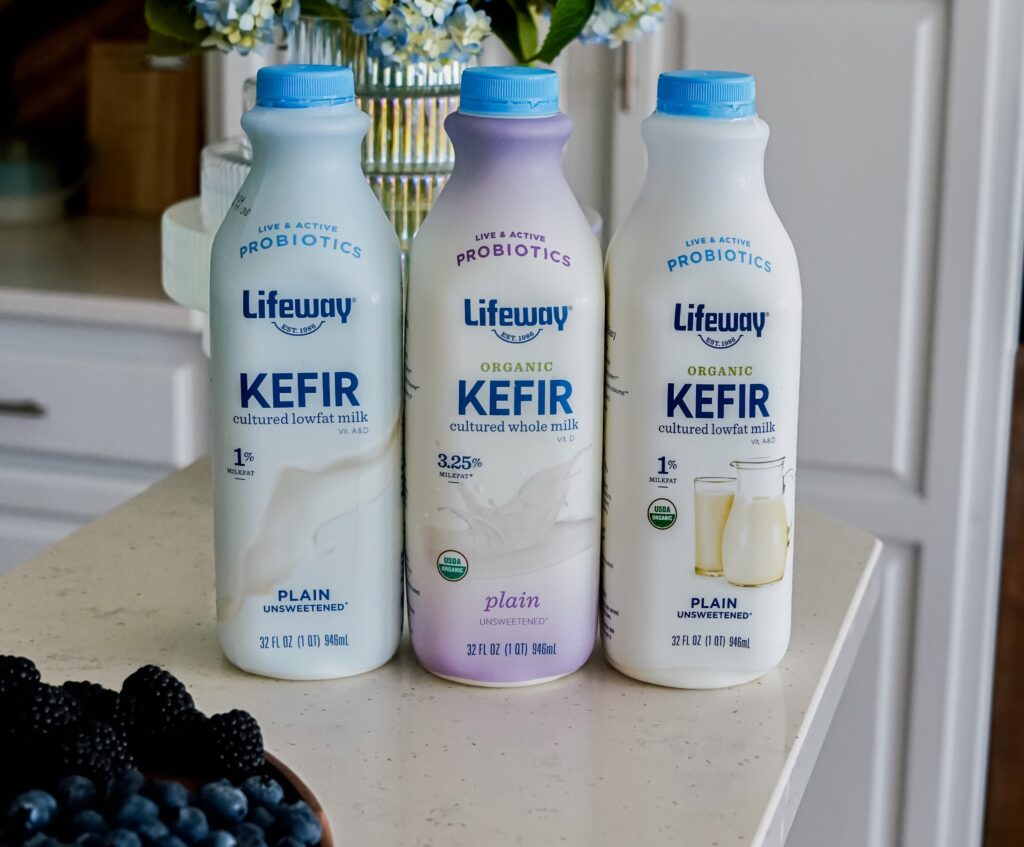
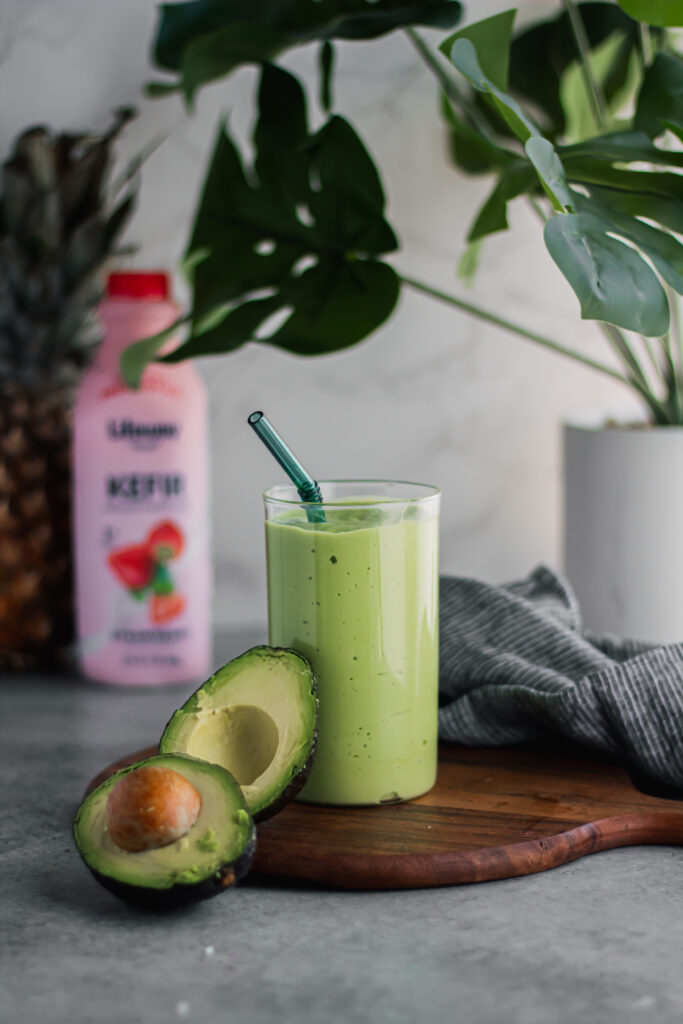
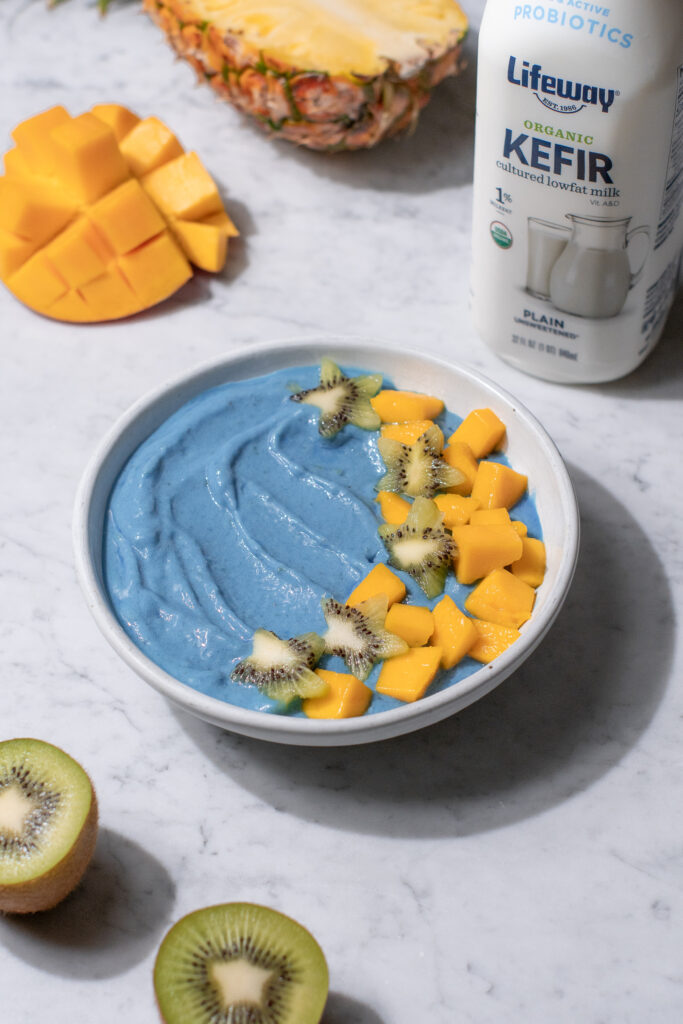
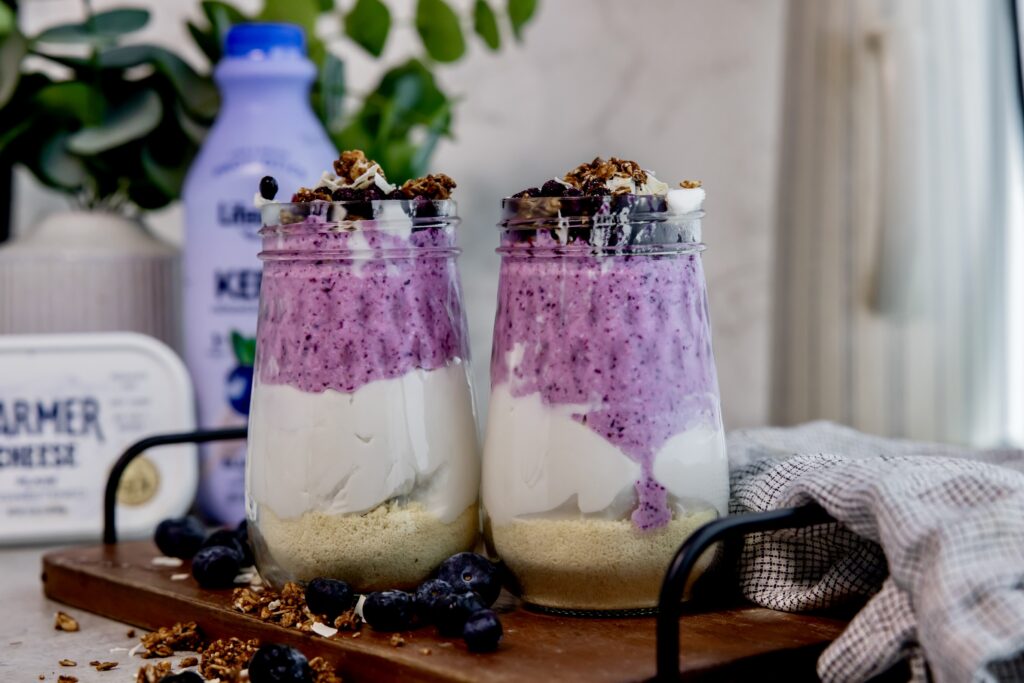
Feeding your body fermented foods like Lifeway Kefir is one of the best ways to provide your body with the right types of probiotic bacteria it needs to have a strong foundation. The importance of including enough sources of high-quality foods that contain fiber, specifically prebiotic fiber also can’t be overlooked. Fruits, vegetables, nuts, seeds, and whole grains are some of your microbiome’s best allies, and these foods pair wonderfully with fermented foods like Lifeway Kefir to give you both prebiotic fiber and probiotics in one meal.
As the article in Time also mentions, choosing foods that support healthy blood sugar levels, like Lifeway Kefir, is also beneficial for optimal brain and gut health, along with including sources of omega-3 fatty acids from fiber-rich foods like chia seeds, flax, and walnuts, and eating cruciferous veggies and greens like broccoli, kale, and cauliflower. (1)
Where We Go From Here
We applaud new research that continues to explore this important relationship between gut health and mental health. One of our core beliefs at Lifeway is that mental and physical health starts from within. We look forward to learning and exploring how supporting the gut-brain relationship may help treat some of the most common mental health issues people face, including depression.
A 2023 review published in Molecule showed that probiotics may restore healthy microbes and functioning of the gut-brain axis to potentially improve symptoms of depression and anxiety. (4) Another recent study shows kefir supplementation significantly improved symptoms of major depressive disorders after consumption of twelve weeks. (5) And while we always suggest that you should seek out help from a trusted doctor and mental health professional for the best personal care, we look forward to promising research that shows how you nurture your gut can positively impact mental health.
See more tips here on how to support your mental health here, and how to eat fermented foods like Lifeway Kefir every day here.

Connect with Us:
Join this important discussion with us on social media by using the hashtag #LifewayLovesYourGuts and #DiscoverLifeway so we can see how you take care of your gut and brain health to help you feel your best!
Disclaimer:
**As always, if you are struggling with depression, anxiety, and other related health issues regarding mental health, DO NOT be ashamed. It is okay to reach out to a professional and get help. We all struggle at some point in life, and reaching out for help is a sign of bravery and courage, not a sign of weakness. You can contact the National Alliance on Mental Health helpline at www.nami.org/help or 1-800-950-NAMI (6264).
Sources:
- Higgens, L. “How Gut Could be Affecting Your Mood.” Time Magazine. 2025 Nov 4. www.time.com/7329016/gut-health-foods-brain-mood
- Bektaş A, Erdal H, Ulusoy M, Uzbay IT. Does Serotonin in the intestines make you happy? Turk J Gastroenterol. 2020 Oct;31(10):721-723. doi: 10.5152/tjg.2020.19554. PMID: 33169710; PMCID: PMC7659911.
- Peluzio MDCG, Dias MME, Martinez JA, Milagro FI. Kefir and Intestinal Microbiota Modulation: Implications in Human Health. Front Nutr. 2021 Feb 22;8:638740. doi: 10.3389/fnut.2021.638740. PMID: 33693024; PMCID:
- Jach ME, Serefko A, Szopa A, Sajnaga E, Golczyk H, Santos LS, Borowicz-Reutt K, Sieniawska E. The Role of Probiotics and Their Metabolites in the Treatment of Depression. Molecules. 2023 Apr 4;28(7):3213. doi: 10.3390/molecules28073213. PMID: 37049975; PMCID: PMC10096791.
- Júnior, J.I.R.N., Aires, R., de Sousa Cutrim, T.A.et al. Efficacy of probiotic adjuvant therapy in women with major depressive disorder: insights from a case series study. Rep 77, 463–473 (2025). https://doi.org/10.1007/s43440-024-00690-6