
The use of GLP-1 medications has become a cultural health norm, with more than 12% of Americans having been prescribed them or currently taking them. That trend is set to only increase from here, with even newer formulas of the weight loss medications currently in the works. With these drugs come rapid weight loss, as they mimic the GLP-1 hormone our body naturally produces that suppresses appetite by regulating the hunger hormone grehlin and changing how the body uses insulin. We’ve detailed everything you need to know about GLP-1 and how to eat to trigger the production of it naturally in your body.
GLP-1 Side Effects: Gastrointestinal Issues, Bone Loss, and More
Aside from weight loss, one of the most well-known facts about these drugs are its other side effects, with the most commonly known one being gastrointestinal distress due the nature of how the drugs work. GLP-1 drugs slow down digestion and promote healthier insulin levels, which helps curb appetite and support better blood sugar regulation. However, this can cause stomach upset, lack of appetite due to sluggish digestion, and irregular digestive patterns. We discuss in length how to support your gut health naturally here if you are on a GLP-1 medication.
In addition to gastrointestinal issues, one of the other top side effects becoming more prominent with GLP-1 use from individuals who have been on the medications long-term is bone loss and an increased risk of osteoporosis. The medications may interfere with the hormones associated with bone metabolism, individuals on the drugs may not be getting enough bone building nutrients due to appetite suppression, and the rapid weight loss may affect the bone homeostasis (maintenance) process. Individuals also tend to lose about of a quarter of their weight in lean muscle mass due to reduced food intake from gastrointestinal distress, lack of appetite, or a combination of the two. Without awareness and prevention, these drugs cause serious joint and muscle complications along with bone loss that leads to osteoporosis.
GLP-1 drugs can also cause inflammation of the joints with issues like gout and tendon pain due to rapid weight loss and a reduction of nutrients like protein, calcium, and vitamin D that all support bone and muscle health. This growing issue is shown by data presented at the American Academy of Orthopedic Surgeons, and was recently written about in The Washington Post.
Tips for Eating for Healthy Bones, Muscles, and Tendons: 3 Powerful Nutrients Not to Miss
When it comes to eating for healthy bones, muscles, and tendons, remember the top three most important nutrients: protein, calcium, and vitamin D. These are important for everyone, but they’re especially important to consume enough of if you’re on a GLP-1 medication. These three nutrients are all important players when it comes to a healthy skeletal structure and maintenance. When combined, they act as a powerful prevention method against bone loss, osteoporosis, and joint issues associated with reduced nutrient intake.
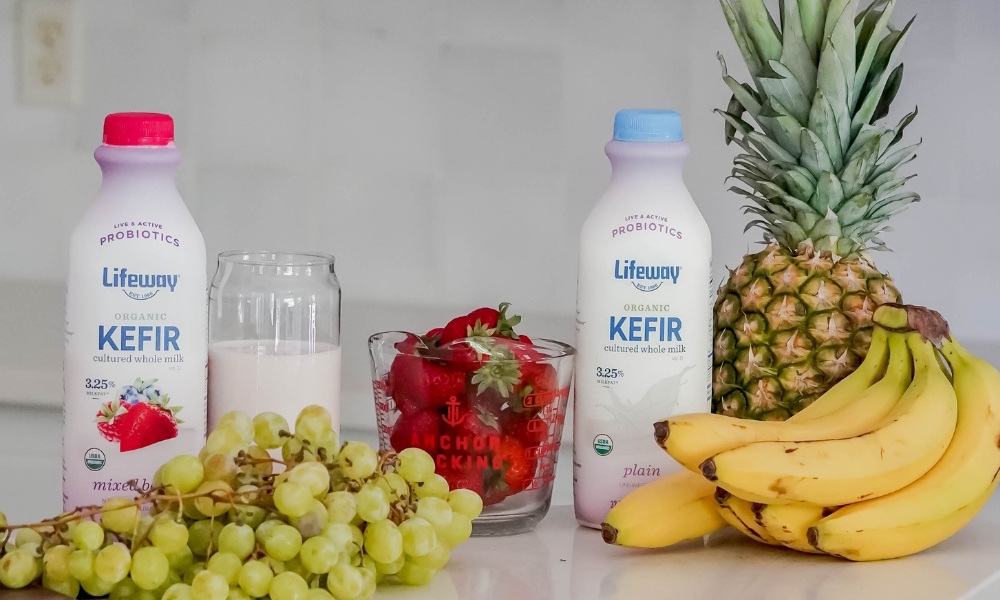
The best way to consume these nutrients is through whole foods that provide these nutrients and others that protect bones and muscle health. Fermented dairy products, like Lifeway Kefir, offer a unique and valuable way to consume protein, calcium, and vitamin D in one serving since they are easy to digest, easy to absorb, and provide key benefits that regular (unfermented) dairy does not.
Calcium, Vitamin D, and Protein: Key Nutrients for Bone and Muscle
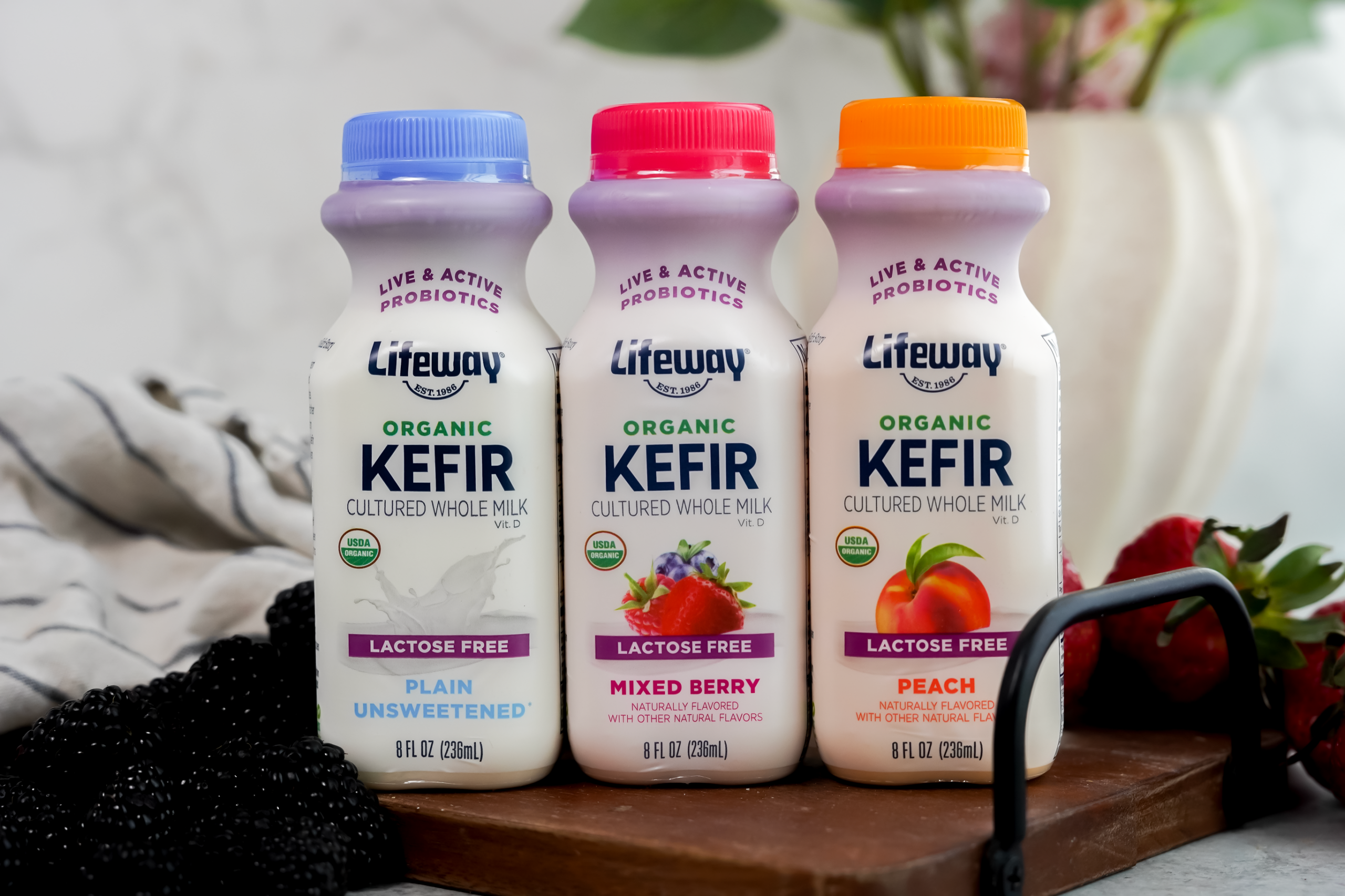
For individuals using GLP-1 medications for weight management, protecting bone health and mitigating muscle loss through diet and exercise is critical in order to avoid complications like osteoporosis and bone loss. Lifeway Kefir provides a unique blend of nutrients to help maintain stronger bones and muscle mass. It’s a good source of high-quality bioavailable protein needed to build muscle and help maintain lean muscle mass. In addition, the fermentation process enriches the content of vitamin K2, calcium and amino acids, as well as bioactive peptides and organic acids. (1, 2) Lifeway Kefir is also an excellent source of vitamin D3. Together, these nutrients provide support for bone mineralization and calcium absorption, along with muscle maintenance and strength.
Kefir: Probiotics and Peptides to Support Bone Health
Peptides are all the rage right now, but did you know kefir contains a wealth of them on its own — with no supplement needed! Kefir’s long fermentation process produces an abundance of beneficial bioactive peptides. Along with probiotics and nutrients, these peptides may directly influence bone metabolism and help prevent osteoporosis. (1)
Research suggests kefir probiotics and peptides may support bone health through several mechanisms:
1. Promote bone formation while reducing bone breakdown
Research suggests specific kefir peptides (such as KFP-1) may exert dual osteoprotective effects by stimulating osteoblast activity (cells that build bone) while suppressing osteoclast activity (cells that break down bone). This means kefir’s peptides help maintain a healthier balance in bone remodeling, which is critical for preventing osteoporosis. (3)
2. Improve calcium absorption in the gut
Kefir may enhance intestinal calcium uptake, increasing the availability of calcium needed to support the bone matrix which is made up of collagen and calcium-phosphate minerals.(2) Improved calcium absorption is particularly important because the body cannot produce calcium and must obtain it from food.
3. Increase bone density
Clinical research in people with osteoporosis found that kefir supplementation combined with calcium improved bone mineral density compared with calcium alone. (4) The study also showed reduced β-CTX, a marker of bone resorption and increased osteocalcin, a marker of bone formation. These changes indicate bone building and reduced bone loss. (4)
4. Enhance fracture healing
Animal studies have demonstrated that kefir peptide supplementation can accelerate bone repair, leading to more complete fracture healing compared with untreated controls. (5)
5. Reduce inflammation that contributes to bone loss
Kefir probiotics such as Lactobacillusspecies can help regulate immune responses that affect bone metabolism. Research shows these microbes may increase anti-osteoclastogenic signals (e.g., IL-10) and decrease inflammatory cytokines (e.g., IL-6, TNF-α) that stimulate bone breakdown. Lower inflammation helps reduce excessive bone resorption and helps maintain bone homeostasis and prevent bone loss. (6,7)
Key Takeaway Message
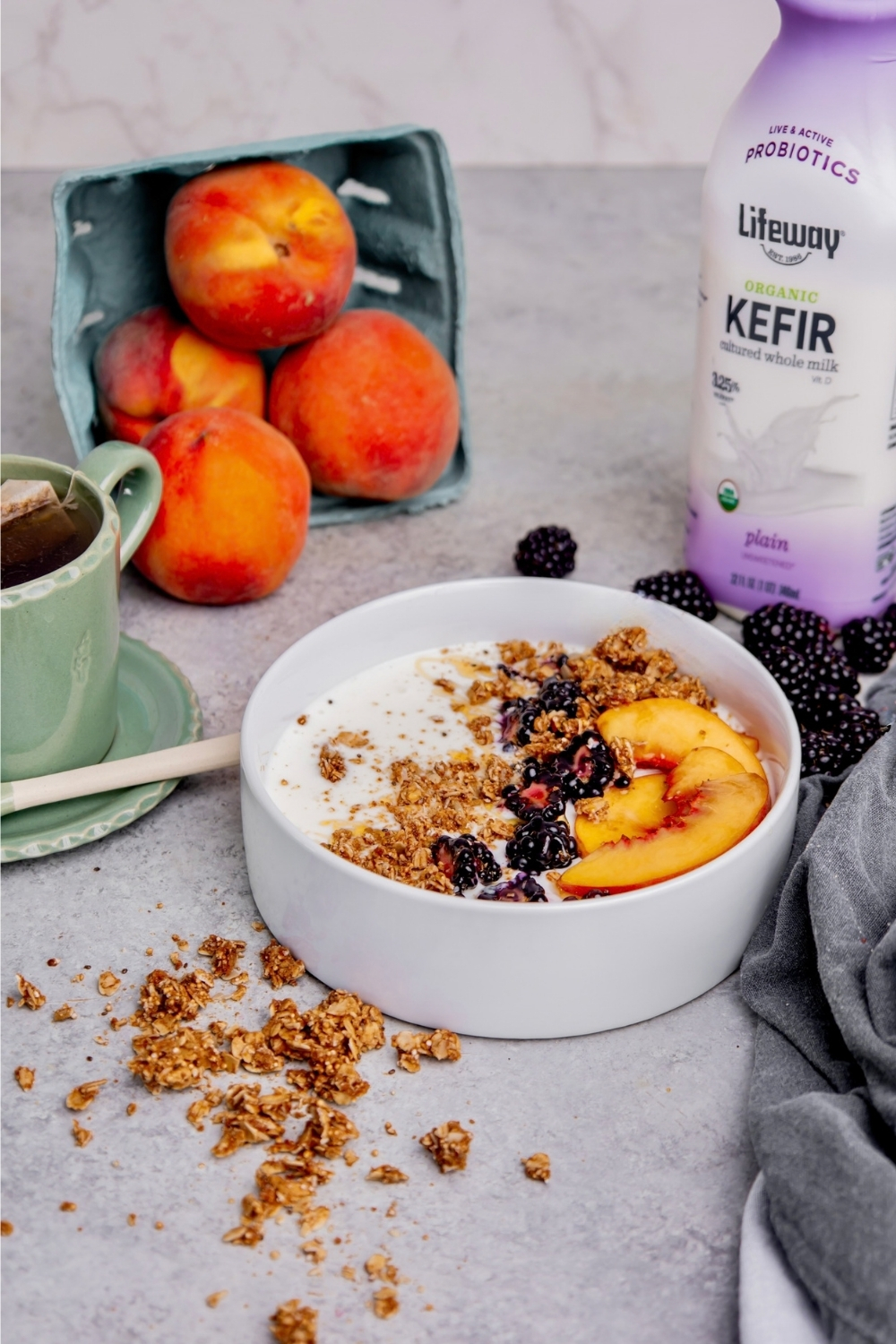
In short, dietary choices have a huge impact on your muscle health and overall skeletal health. Eating foods like Lifeway Kefir that provide calcium, vitamin D, and protein, plus powerful bioactive peptides and probiotics that assist with absorption, is one of the simplest things you can do to support your body if you’re on a GLP-1 medication or other weight loss medication.
Even if you’re not on weight loss medications, following these same principals is an excellent way to maintain healthy muscles and bones as you age. When you pair foods like Lifeway Kefir and Farmer Cheese that are high in protein with resistance training, your bones and muscles have the cornerstone of what they need to support you for years to come.
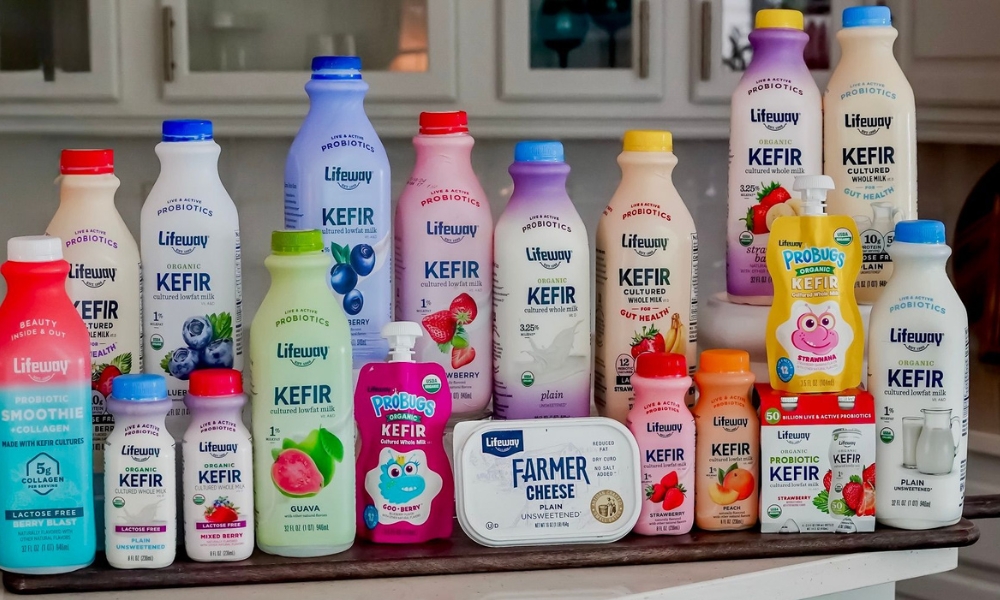
Check out all our products here to see which Lifeway Kefir suits you best, whether that’s our multi-serve 32 ounce containers to keep in the fridge at home or our 8 ounce bottles to take on the go. Remember, there’s no wrong choice for your health when you choose Lifeway!
- Lai JC, Chang GR, Tu MY, Cidem A, Chen IC, Chen CM. Potential of Kefir-Derived Peptides, Probiotics, and Exopolysaccharides for Osteoporosis Management. Curr Osteoporos Rep. 2025 Apr 7;23(1):18. doi: 10.1007/s11914-025-00910-9. PMID: 40192921; PMCID: PMC11976759.
- Castellone V, Bancalari E, Rubert J, Gatti M, Neviani E, Bottari B. Eating Fermented: Health Benefits of LAB-Fermented Foods. Foods. 2021 Oct 31;10(11):2639. doi: 10.3390/foods10112639. PMID: 34828920; PMCID: PMC8620815.
- Tung MC, Chang GR, Tu MY, Fan HC, Yen CC, Cidem A, Chen IC, Chen CM. Dual Osteoprotective Actions of the Kefir Peptide KFP-1: Enhancement of Bone Formation and Suppression of Bone Resorption in Cells and Murine Models. Calcif Tissue Int. 2026 Feb 17;117(1):32. doi: 10.1007/s00223-026-01487-w. PMID: 41703166; PMCID: PMC12913355.
- Tu MY, Chen HL, Tung YT, Kao CC, Hu FC, Chen CM. Short-Term Effects of Kefir-Fermented Milk Consumption on Bone Mineral Density and Bone Metabolism in a Randomized Clinical Trial of Osteoporotic Patients. PLoS One. 2015 Dec 10;10(12):e0144231. doi: 10.1371/journal.pone.0144231. PMID: 26655888; PMCID: PMC4675497.
- Chen HL, Tung YT, Chuang CH, Tu MY, Tsai TC, Chang SY, Chen CM. Kefir improves bone mass and microarchitecture in an ovariectomized rat model of postmenopausal osteoporosis. Osteoporos Int. 2015 Feb;26(2):589-99. doi: 10.1007/s00198-014-2908-x. Epub 2014 Oct 3. PMID: 25278298.
- Chen J, Liu X, Li S, Li J, Fang G, Chen Y, Zhang X. Effects of Lactobacillus acidophilus and L. reuteri on bone mass and gut microbiota in ovariectomized mice. Cell Mol Biol (Noisy-le-grand); 2023 69 43–51 https://doi.org/10.14715/cmb/2023.69.9.7
- Jansson PA, Curiac D, Lazou Ahren I, Hansson F, Martinsson Niskanen T, Sjogren K, Ohlsson C. Probiotic treatment using a mix of three Lactobacillus strains for lumbar spine bone loss in postmenopausal women: a randomised, double-blind, placebo-controlled, multicentre trial. Lancet Rheumatol. 2019;1:e154–62. https://doi.org/10.1016/S2665-9913(19)30068-2.