
Creatine is the new must-have performance aid, now being widely used beyond athletics, muscle growth, and post-workout recovery. From women’s health to cognitive health to longevity, creatine is creating quite a buzz for wellness, with it being used to support a wide range of benefits. Promising research even suggests that creatine may play an important role in long-term brain health, cognitive function, and possibly preventing neurodegenerative diseases such as Alzheimer’s disease. (1,2,3)
First though, let’s back things up in case you need to get up to speed on creatine, the compound everyone is chatting about online these days.

What is Creatine?
Creatine is a natural compound the body produces on its own from three amino acids: arginine, glycine, and methionine, and it’s primarily produced in the liver and brain. The way creatine is used is unique, as the body uses it to regenerate ATP (adenosine triphosphate), the primary energy source for the brain, which is also used for about 20% of energy needed by muscles in the body. Think of creatine as an extra battery source; it helps recycle energy when fatigue starts to set in during activities requiring physical or mental output.
Some whole foods contain creatine naturally. Red meat and seafood contain the most creatine per serving, while poultry and some types of dairy contain lower amounts. However, most people do not consume the necessary amounts of these foods in a day to see the brain and body benefits associated with creatine, which is typically around 3-5 grams for women and 5 grams for men. Therefore, most creatine consumed today for brain and body benefits is obtained through supplementation in the form known as creatine monohydrate. Creatine monohydrate is the most researched supplement to date, proving to be not only be effective, but also safe when used in the recommended doses. While some people choose to take more, it’s not necessary or recommended in order to see benefits.
How Creatine Works in the Body and What to Expect:
Creatine works by drawing water into muscles over the course of days or weeks to hydrate the muscle cells. As it does so, it allows for greater stamina during workouts and the ability to push harder during reps or sets. Therefore, as you’re able to put in more reps and sets, you grow muscle and maintain it more quickly and easily. Creatine may also play a role in better post-workout recovery. Since creatine helps regenerate adenosine triphosphate (ATP), it can help ward off mental and physical fatigue. So if you’re someone who struggles to put on (or maintain) muscle mass, creatine may help offer the slight edge you need to push out a few more reps and sets to see the difference you’re looking for. Or, if you’re someone who is already happy with your current muscle mass and looking to maintain it, creatine can help support your body during exercise to help you keep your bones and muscles in top condition, so your body has the support it needs for optimal daily living and longevity. When paired with resistance training, creatine makes an excellent tool to keep in your healthy aging toolbox, so to speak, but it’s important to remember that creatine alone won’t put muscle on you or help you keep it — you still have to put in the reps and sets!
When first beginning creatine, the initial phase is sometimes referred to as loading, and it’s why some people associate creatine with water weight gain as the creatine gradually draws more water into the muscles. However, it’s important to remember that the water isn’t being stored subcutaneously and should not cause bloating; it’s merely hydrating your muscles to allow for greater output and muscle support. Your muscle cells are just where your body stores the creatine to be used when it needs it. Water weight in the body will stabilize over a couple weeks after your muscles are fully saturated with creatine stores at a standard 3-5 gram per day dose. The main point: bloating is not something to worry about unless one is taking large amounts of creatine at a time or taking a low-quality creatine source.
How Creatine Works to Support the Brain:
Since creatine helps regenerate adenosine triphosphate (ATP), which is the primary energy source used by brain cells, it helps maintain brain energy production that is essential for memory, concentration, learning, and overall neurological function.(1,2,3) Unlike the jolt you get from coffee or other sources of caffeine, creatine is not a stimulant; it simply allows for a gentle, yet noticeable boost in concentration and focus. The effects are subtle, but present enough to feel a difference over the course of a couple weeks.
Low brain creatine levels have been observed in several neurodegenerative disorders, and the degree of depletion may correlate with disease severity. Increasing brain creatine stores may help support memory and cognitive processing, improve mental resilience during stress or sleep deprivation, reduce oxidative stress, support mitochondrial function, and protect neurons from metabolic damage.
Promising Research for Creatine’s Role in Long-Term Brain Health:
Early animal studies found that creatine supplementation improved learning, memory, and markers of neuronal health, while also increasing levels of brain-derived neurotrophic factor (BDNF), a protein involved in learning and memory.(1,2) Some human studies have shown benefits consistently in older adults and during periods of mental or physical stress. Research has linked creatine supplementation to improvements in short-term memory, reasoning, spatial recall, and mental fatigue, particularly in aging populations and sleep-deprived individuals. (2,4,5)
Researchers are also exploring creatine’s potential role in Alzheimer’s disease. Alzheimer’s is associated with impaired brain energy metabolism, mitochondrial dysfunction, and reduced ATP production. Because creatine helps cellular energy, scientists believe it may help support brain function in conditions, such as Alzheimer’s, where energy production is compromised.1,2,6 Studies have found altered creatine regulation and reduced creatine-related activity in Alzheimer’s patients, and experimental models suggest creatine may help protect brain cells from β-amyloid toxicity. A human pilot study published in 2025 found that creatine supplementation was well tolerated, increased brain creatine levels, and showed early signs of cognitive benefit in patients with Alzheimer’s disease. (6)
Although more research is needed, current evidence suggests creatine may have promising applications for supporting cognitive health and healthy brain aging. In addition, most research studies used 3-5 grams daily for maintenance, and with its strong safety profile, there is a lot of optimism for creatine as an important tool in brain health.(1,2,3)
Lifeway Muscle Mates Kefir: Combining the Benefits of Lifeway Kefir with Whey Protein and Creatine
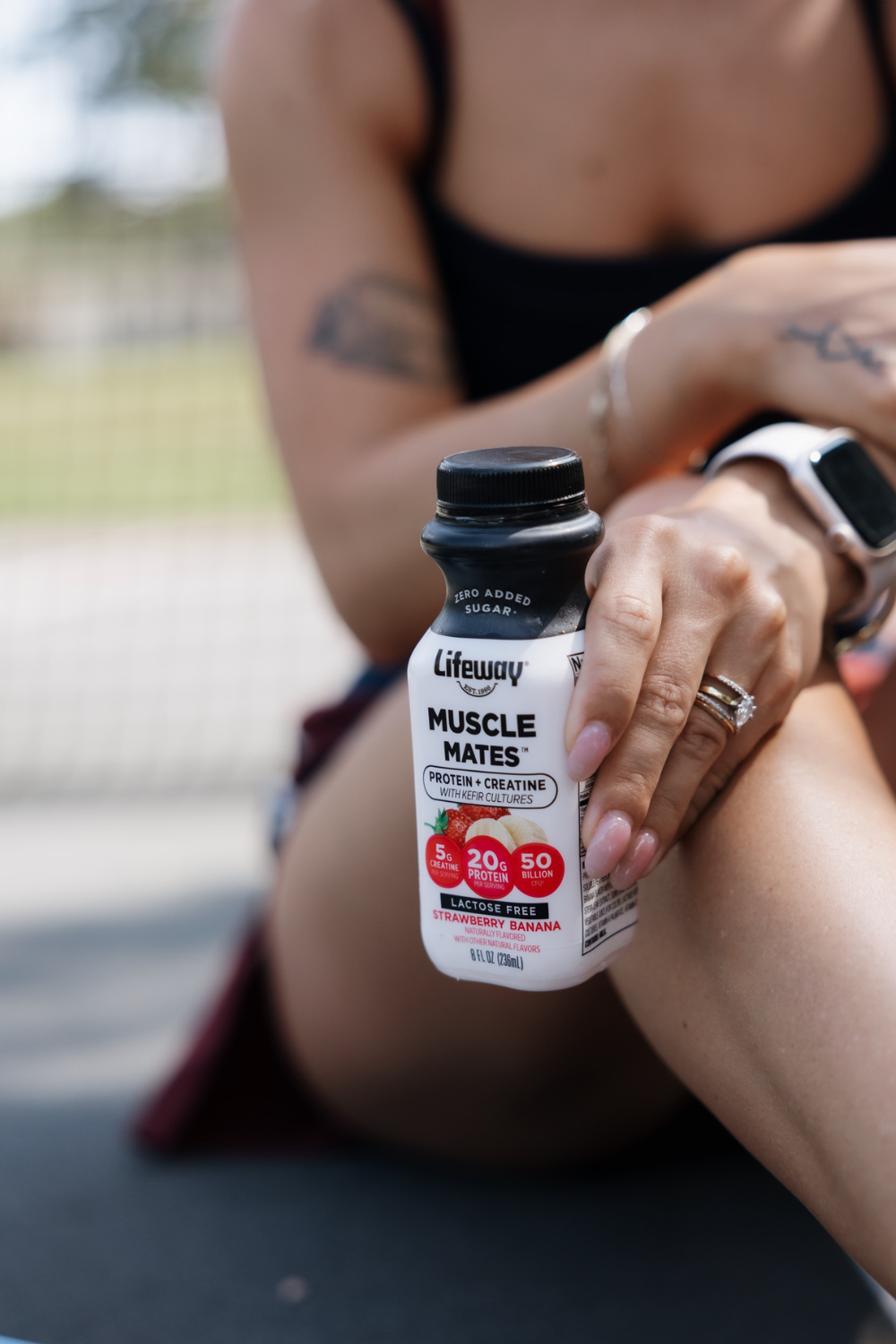
Lifeway has heard our community loud and clear that all of you want a product combining the gut health support of Lifeway Kefir with the benefits of creatine for optimal brain and body support. That’s why we created Lifeway Muscle Mates Kefir that combines creatine and live probiotics from kefir cultures — but we didn’t stop there. We wanted to provide even more functional support with the added benefits of whey protein.
Whey is one of the two proteins found in milk (whey and casein), and it’s known for its muscle-supporting benefits and quick, efficient, and easy-to-digest nature. Whey protein can help with post-workout recovery and lean muscle mass maintenance, plus it’s easy to use and tastes great. Whey is naturally occurring in our kefir since it’s made from milk, but you can now find an added dose of it in Lifeway Muscle Mates Kefir with 20 grams of total protein per 8 ounce bottle. Whey protein combined with creatine is also one of the most recommended nutritional pairings by professionals for muscle support and healthy aging, and we are happy to now offer it with the added benefits of probiotics from live kefir cultures in Lifeway Muscle Mates Kefir.
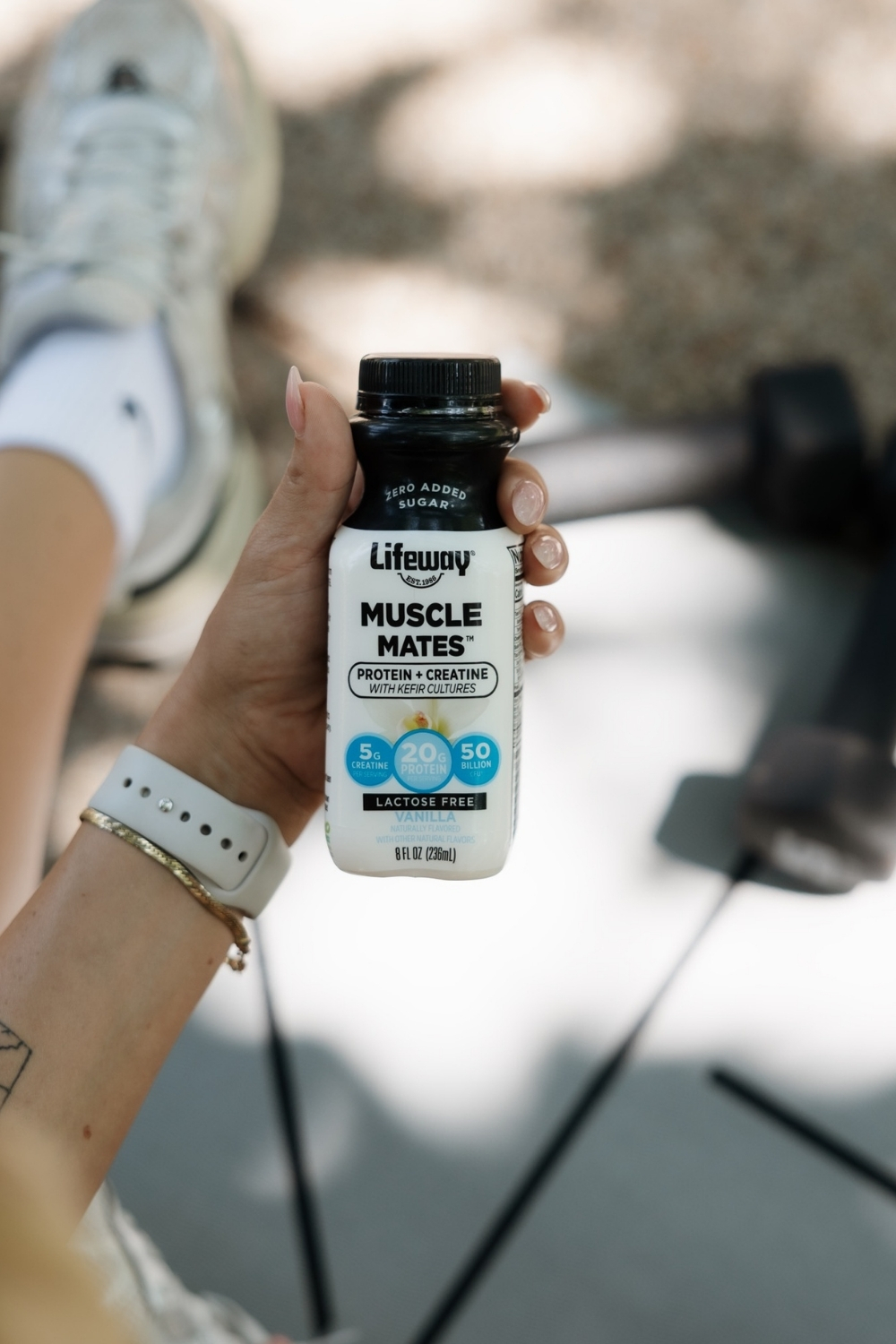
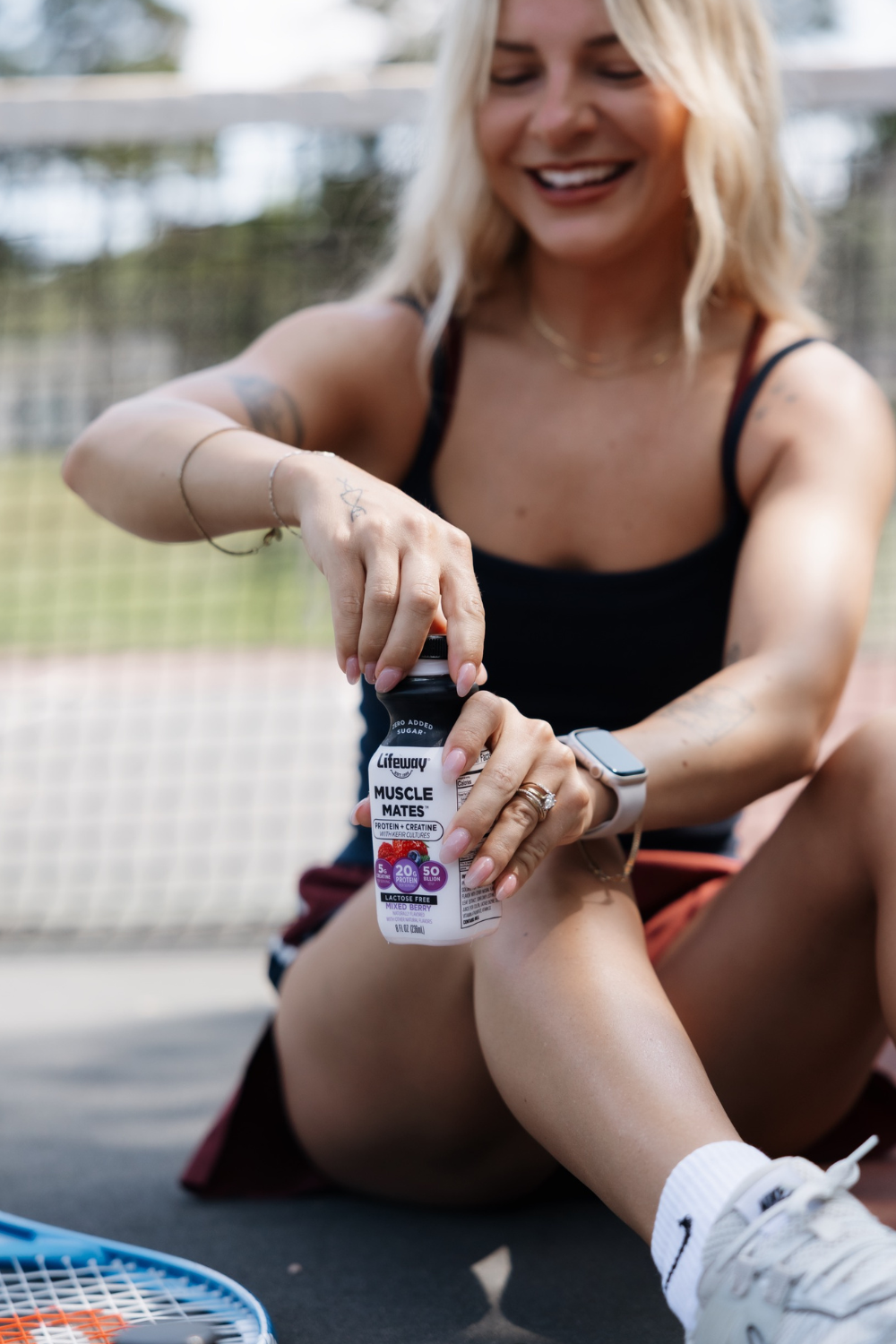
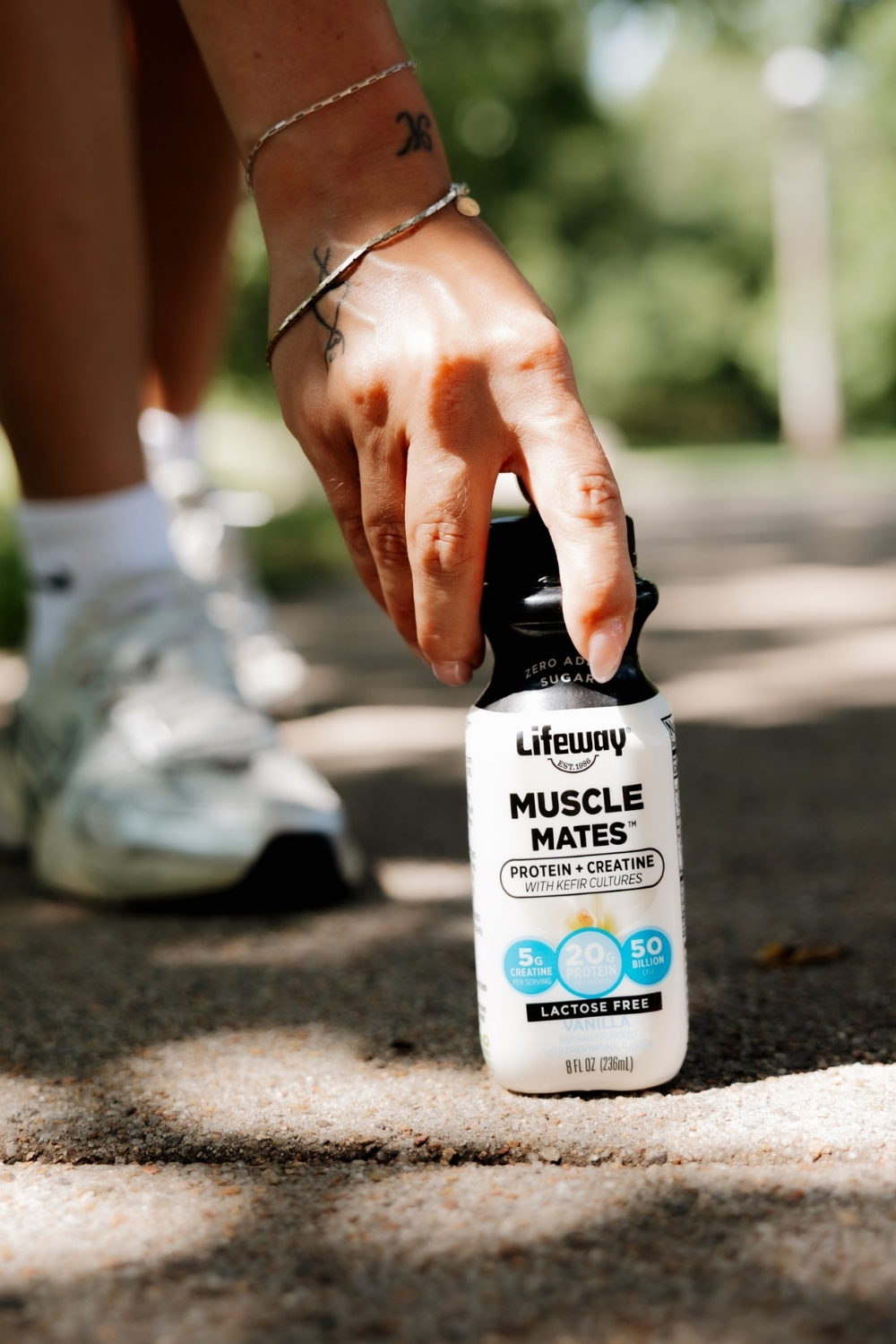
With 5 grams of research-backed creatine monohydrate and no added sugar, Lifeway Muscle Mates Kefir contains a trio of protein, probiotics, and performance-supporting creatine to give you the functional nutrition you want, even when on-the-go. Enjoy it any time of day, such as pre or post-workout, while running errands, or whenever you want full body support without sacrifices. Choose between vanilla, strawberry banana, and mixed berry flavors made with only non-GMO, natural ingredients that are also lactose-free and gluten-free for optimal digestion and gut health support.
Find Lifeway Muscle Mates Kefir and our other products in a store near you here. Looking to learn more about the benefits of Lifeway Kefir? We’ve got 9 reasons (and counting) to add Lifeway to your routine here.

Sources:
1. Candow DG, Forbes SC, Ostojic SM, et al. “Heads Up” for creatine supplementation and its potential applications for brain health and function. Sports Med. 2023;53(Suppl 1):49-65. [Published correction appears in Sports Med. 2024;54(1):235-236.]
2. Forbes SC, Cordingley DM, Cornish SM, Gualano B, Roschel H, Ostojic SM, Rawson ES, Roy BD, Prokopidis K, Giannos P, Candow DG. Effects of Creatine Supplementation on Brain Function and Health. Nutrients. 2022 Feb 22;14(5):921. doi: 10.3390/nu14050921. PMID: 35267907; PMCID: PMC8912287.
3. Roschel H, Gualano B, Ostojic SM, Rawson ES. Creatine Supplementation and Brain Health. Nutrients. 2021 Feb 10;13(2):586. doi: 10.3390/nu13020586. PMID: 33578876; PMCID: PMC7916590.
4. Avgerinos KI, Spyrou N, Bougioukas KI, Kapogiannis D. Effects of creatine supplementation on cognitive function of healthy individuals: a systematic review of randomized controlled trials. Exp Gerontol. 2018;108:166-173.
5. Sandkühler JF, Kersting X, Faust A, Königs EK, Altman G, Ettinger U, Lux S, Philipsen A, Müller H, Brauner J. The effects of creatine supplementation on cognitive performance-a randomised controlled study. BMC Med. 2023 Nov 15;21(1):440. doi: 10.1186/s12916-023-03146-5. PMID: 37968687; PMCID: PMC10647179.
6. Smith AN, Choi IY, Lee P, Sullivan DK, Burns JM, Swerdlow RH, Kelly E, Taylor MK. Creatine monohydrate pilot in Alzheimer’s: Feasibility, brain creatine, and cognition. Alzheimers Dement (N Y). 2025 May 19;11(2):e70101. doi: 10.1002/trc2.70101. PMID: 40395689; PMCID: PMC12089086.