GLP-1 support has become one of the top topics in health and wellness — and for good reason. While many people are exploring ways to manage hunger and cravings, what’s less commonly known is that your body already produces GLP-1 naturally when foods high in protein and fiber are consumed. That’s right: your body already makes GLP-1 and you may not even know it.
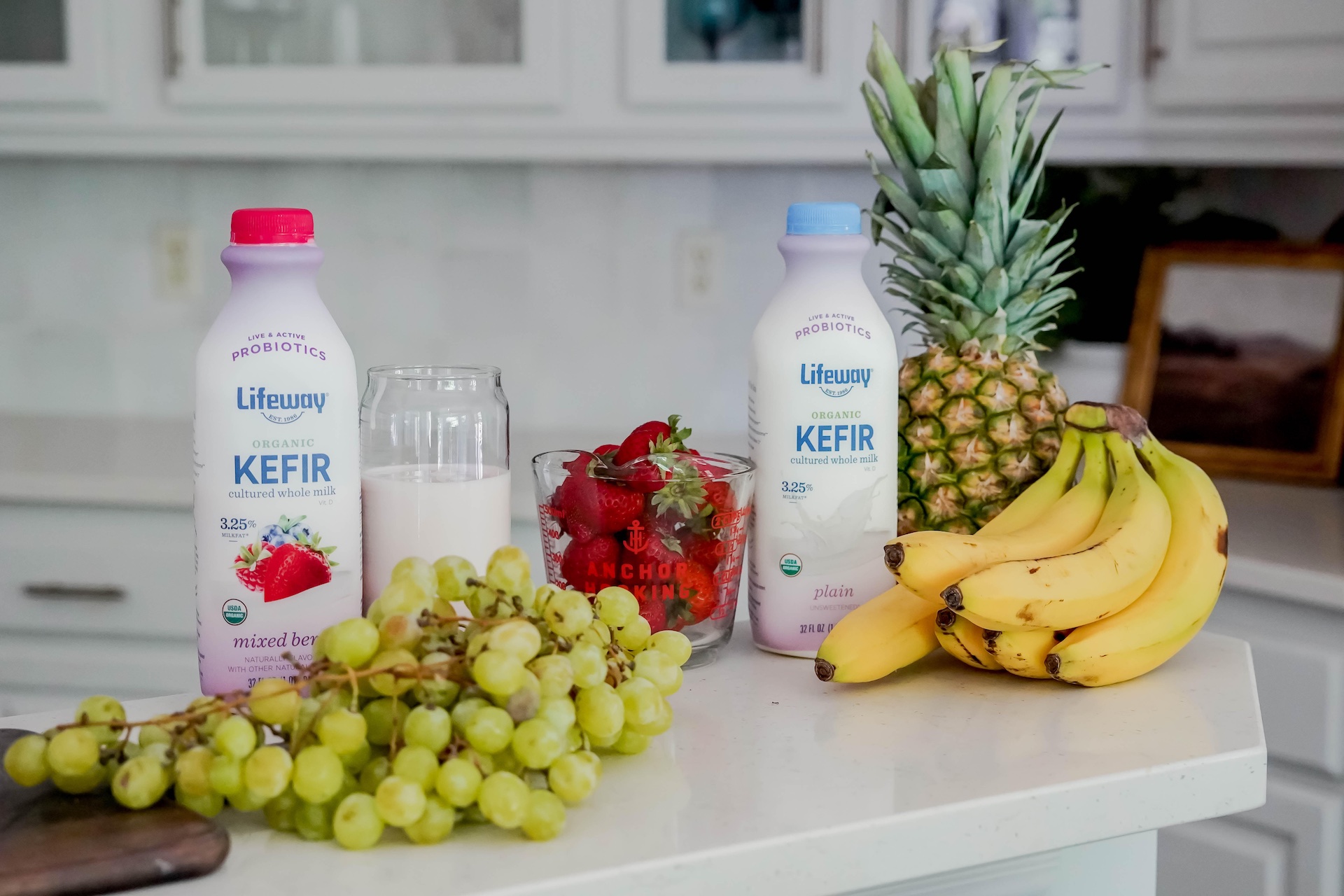
What is GLP-1 and Why it Matters
That’s why we’re here to share what GLP-1 is and how smart food choices can help you stay empowered, whether you’re looking to support this natural process through diet or simply want to optimize your gut health and nutrition. GLP-1 is a type of peptide that acts as a natural hormone your body produces on its own. Certain foods can cause a higher response of GLP-1 than others with the combination of protein and fiber offering the most benefits. When GLP-1 is produced, it signals to the brain that you’re full and satisfied so you know to stop eating.
GLP-1 secretion in the body also helps support better blood sugar levels naturally by improving the way insulin works. Eating to support healthy GLP-1 levels naturally regulates blood sugar and slow gastric emptying. In turn, hunger is reduced and weight management becomes easier.
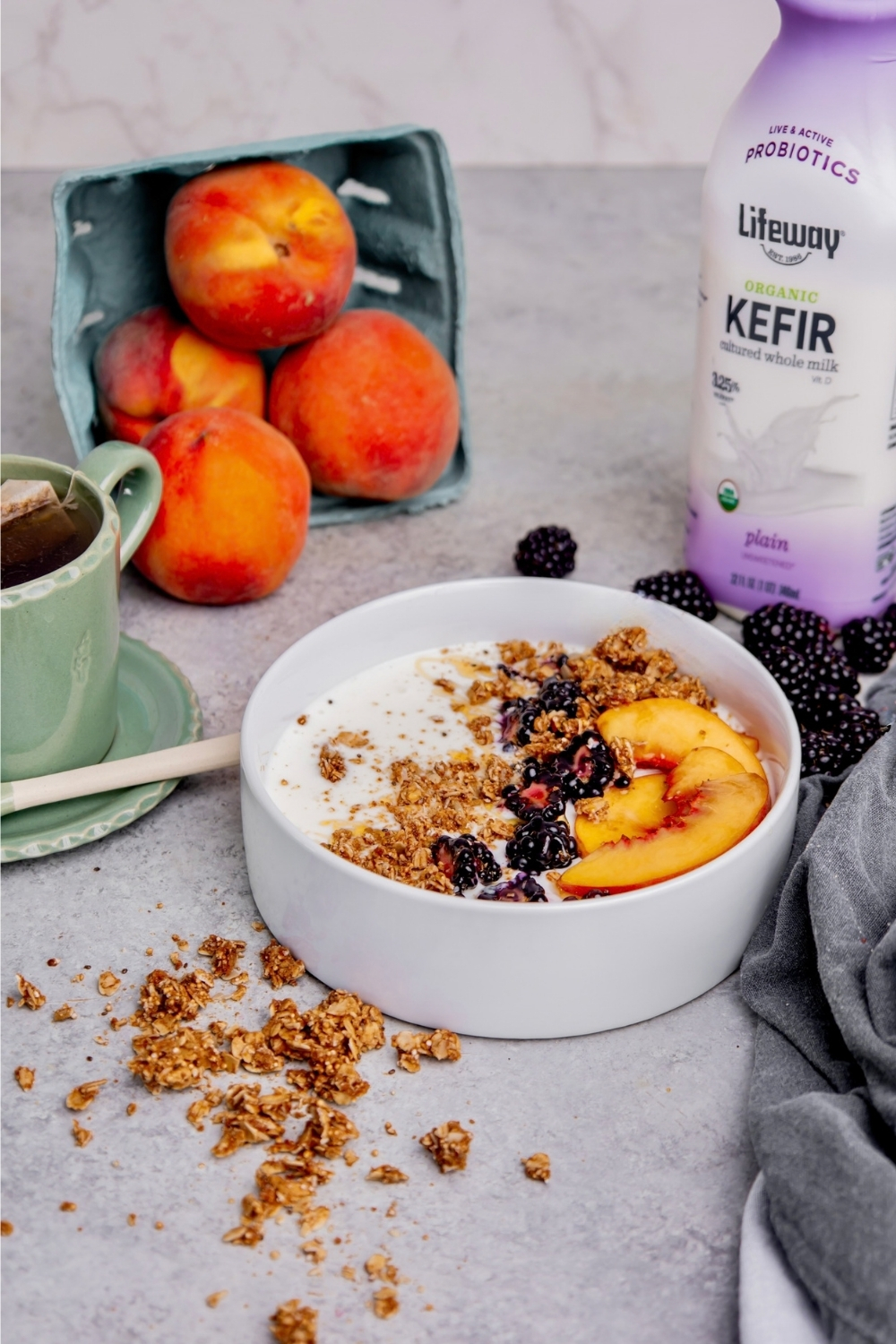
The Best Foods to Eat for Healthy GLP-1 Levels
Protein-Rich Foods
Foods higher in protein — like Lifeway Kefir and Lifeway Farmer Cheese — provide an easy, healthy, bioavailable source of protein that supports stable blood sugar levels and reduces hunger naturally. Protein-rich foods naturally help turn off hunger signals by reducing the hunger hormone, ghrelin, and they help increase leptin, a hormone that tells your body you’re full. Protein-rich foods also lowers insulin in the blood stream so our blood sugar levels are more stable. In addition, eating protein-rich foods requires a greater amount of work for the body to break them down and slows digestion more than low protein foods do. This sends satiety signals to the brain more quickly and efficiently than eating foods low in protein do.
Another benefit to eating whole food sources of protein—like Lifeway Kefir and Farmer Cheese—versus highly processed foods high in protein, is that whole food sources provide your body with additional nutrients you won’t get from highly processed foods. Whole food sources of protein also tend to be easier on the gut since they don’t contain as many preservatives, additives, or other ingredients that cause upset stomach or indigestion.
Fiber-Rich Foods
Along with protein, fiber is just as important to help your body produce GLP-1. Fiber slows down digestion and gastric emptying, and it provides other benefits important for overall health. Foods high in fiber, like fruits, vegetables, whole grains, nuts/seeds, and legumes (beans, peas, lentils) keep you fuller longer and provide satiating properties, offer heart health benefits, and keep your gut happy and healthy. Probiotics support your gut by providing good bacteria, while fiber actually feeds good gut bacteria and supports a healthy microbiome. Furthermore, fiber improves regularity and overall gastrointestinal health that can sometimes be affected by taking GLP-1s.
Eating high-fiber foods paired with high-protein foods is even more beneficial for producing higher amounts of GLP-1. That’s why it’s important to consume both at meals and snacks throughout the day the day.
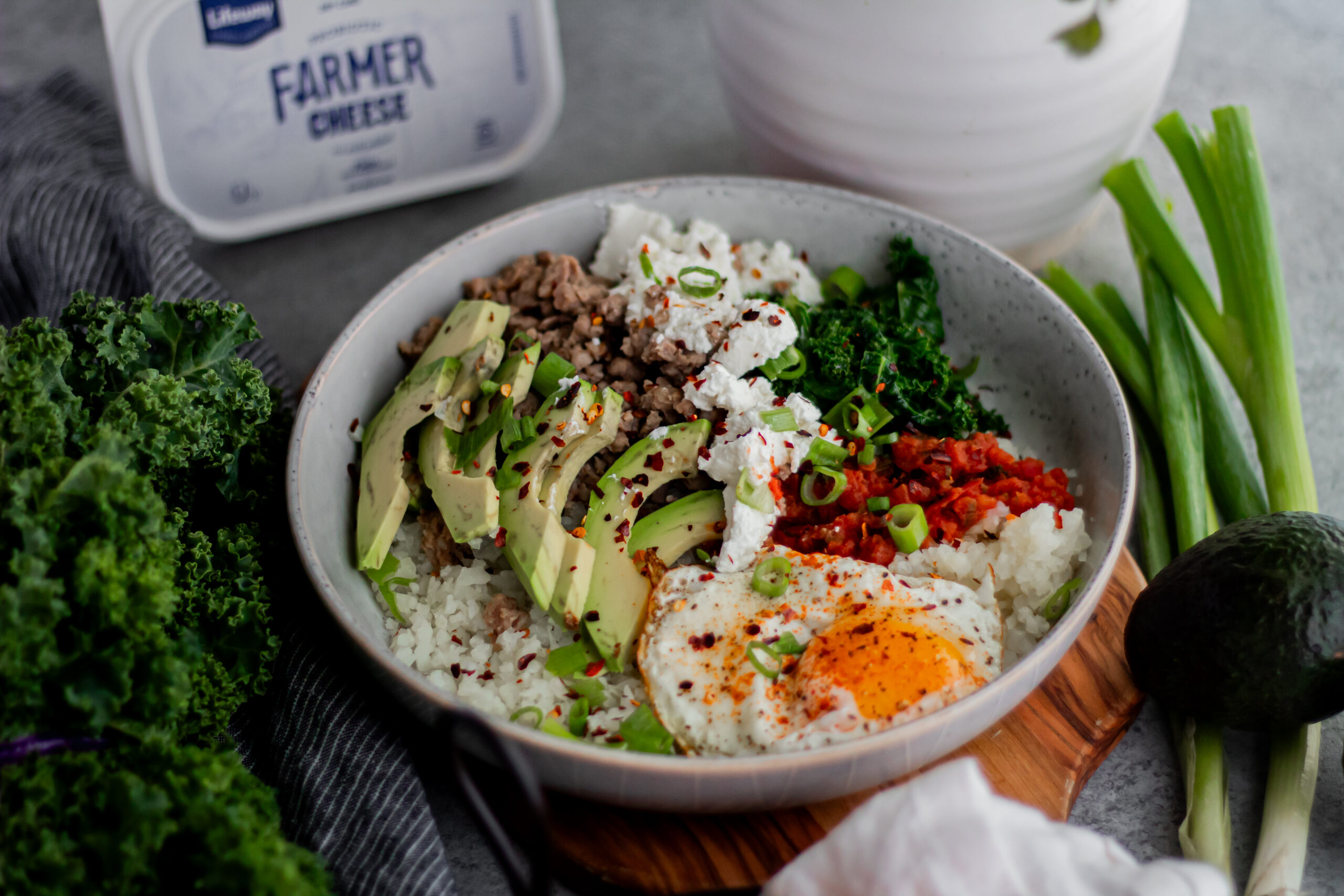
The Benefits of Eating Foods with Protein for Your Muscle
Muscle loss is one of the top concerns for individuals taking GLP-1s for weight loss because the body tends to lose weight at such a rapid pace. Prioritizing getting enough protein each day from foods is important since this will preserve your lean muscle mass and give the body what it needs to lose weight without losing muscle. Eating enough protein combined with strength-training (resistance training) is the best strategic approach to prevent muscle loss while still losing weight. Resistance training can help you build and preserve lean muscle, while eating protein rich foods helps your body with recovery, supports muscle maintenance, and helps your body build muscle whether you’re looking to lose weight or not.
The best way to eat enough protein each day is to simply be more conscientious of your intake throughout the day. Aiming for 20-30 grams at meals and 10-15 grams at snacks is a great way to do this if you’re just getting started, however, be sure to calculate your body’s own protein needs with a trusted professional to ensure adequate intake for your current size and weight goals.
Then, before eating, take a look at your meal or snack and make sure to include both protein and fiber. This is an easy way to support your body’s own GLP-1 production, preserve lean muscle mass, and support your microbiome all in one. It also makes for a simple framework to keep in mind around meals without having to count or measure anything.
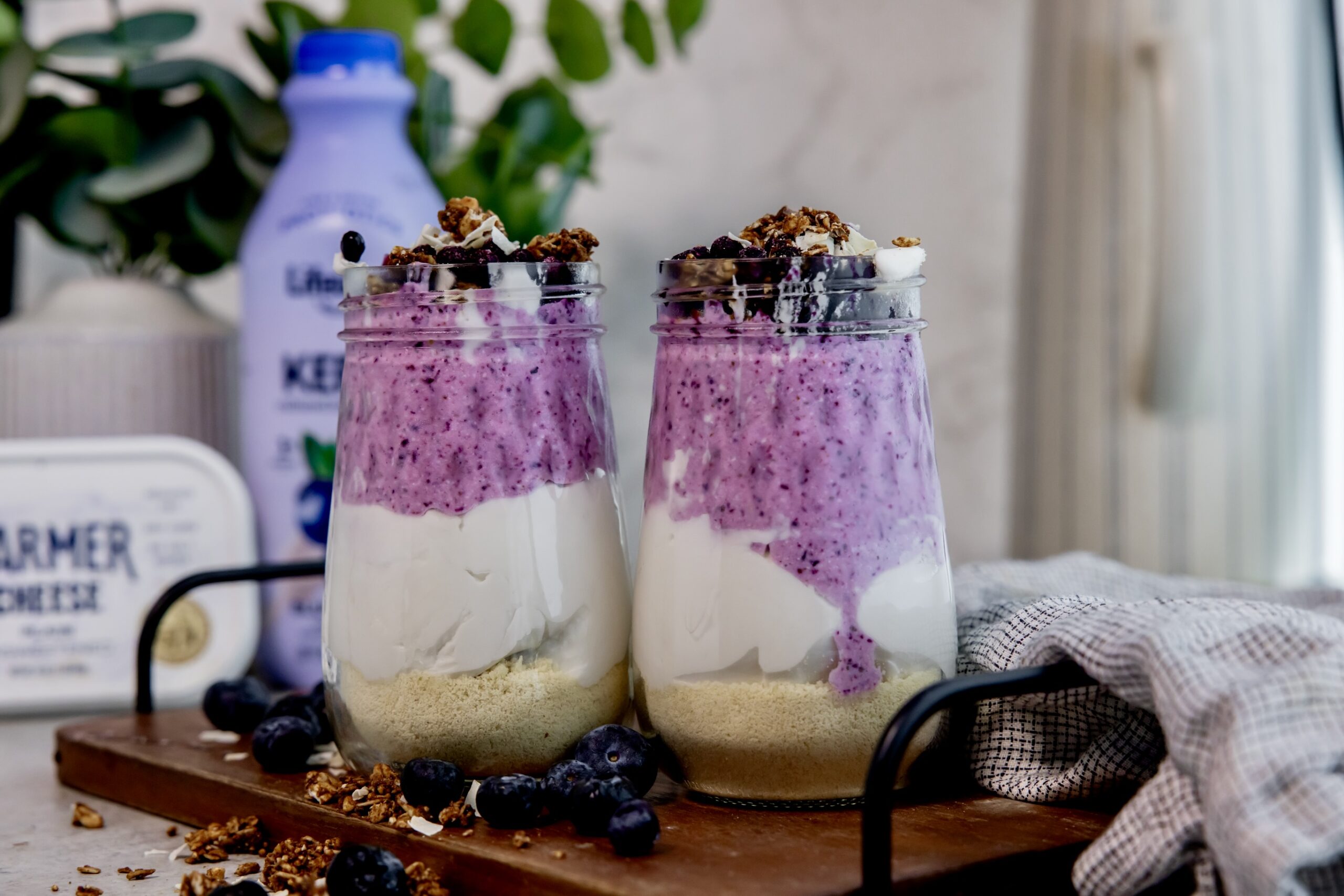
GLP-1 and Gut Health: What to Know and How Lifeway Kefir Helps
Gut health disturbances tend to be the top complaint from individuals taking a GLP-1 because they delay gastric emptying to such a high extent that irregularity, nausea, bloating, and upset stomach occur often. Eating foods that support gut health and are rich in probiotics can be helpful in these cases.
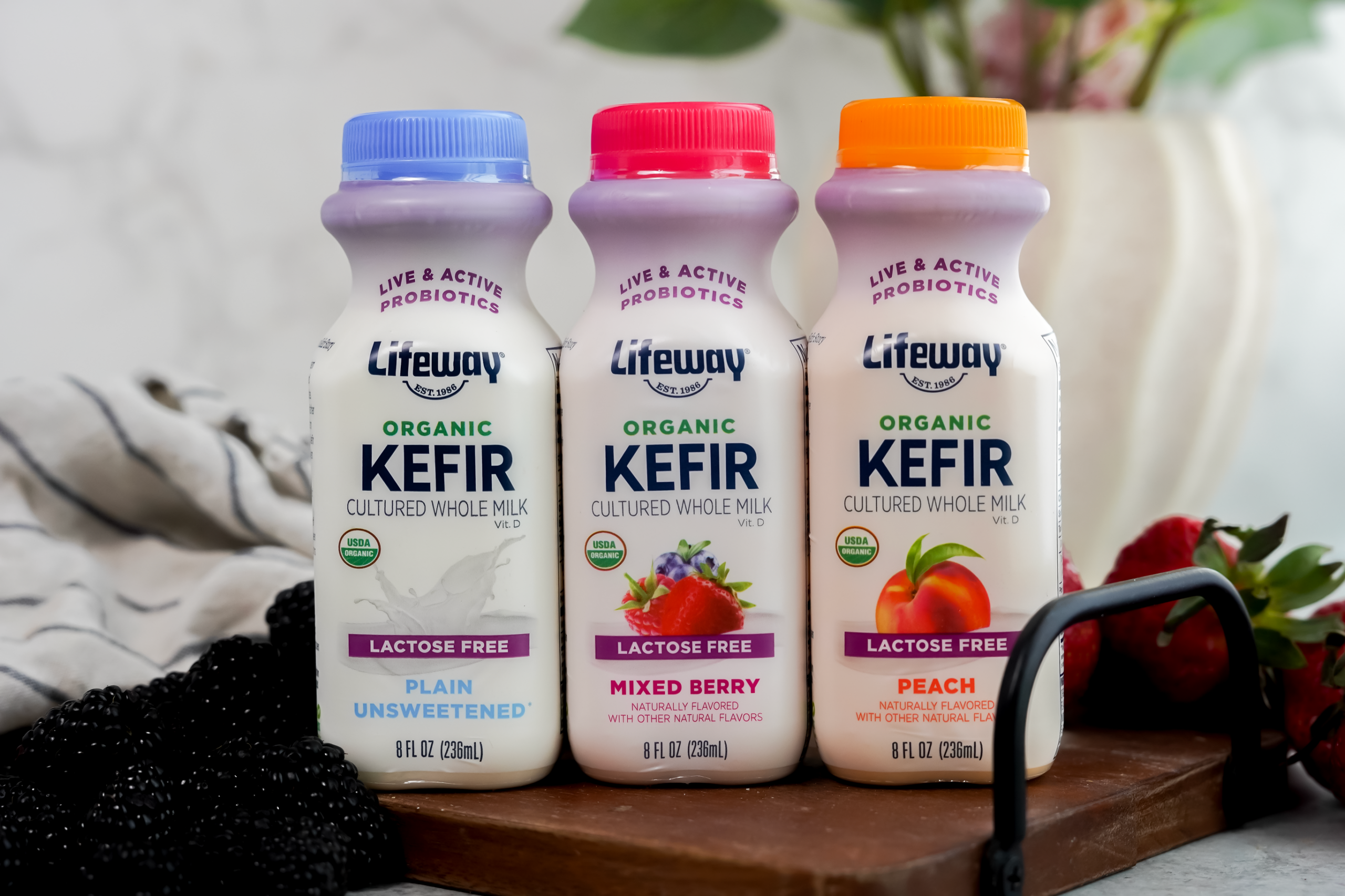
Kefir is a uniquely valuable food for GLP-1 support due to the protein, probiotics, and metabolites it contains. Kefir’s protein and nutrients stimulate natural GLP-1 release after meals, while the probiotics and bioactive peptides it contains support the integrity of the gut lining, and they boost short chain fatty acids in the gut that further support gut health. This boosts GLP-1 secretion in the gut, which then reduces blood sugar, lowers appetite, and calms inflammation in the body. This makes kefir an important source of nutrition to enhance the satisfaction response, trigger GLP-1 levels, and support healthier blood sugar levels.
Why Lifeway Kefir and Farmer Cheese Make Great Choices for GLP-1 Support
Lifeway Kefir is a protein-packed probiotic beverage that’s easy to consume on its own or mix into recipes. It’s a wonderful way to support your gut health while being a great source of protein for everyone, including those on GLP-1s. The live probiotics in Lifeway Kefir provide nourishing gut health benefits for overall gastrointestinal health, while its protein is easy to digest and easy to consume, even when on the go.
Lifeway Farmer Cheese is also an excellent source of protein and made with live and active probiotic cultures. It has no salt or added sugar, making it an easy, nutrient-rich choice to use at meals and snacks of all kinds. Enjoying Lifeway Kefir and Farmer Cheese with foods high in fiber is an easy and delicious way to give your body what it needs whether you’re taking a GLP-1 or want to help your body produce GLP naturally.
Check out our recipes here to get delicious meals, snacks, and more that provide protein and fiber.
Looking for Lifeway near you? Find Lifeway Kefir at a store near you or shop online to discover how Lifeway can help support your health goals this year.